
The Chamber of Deep Memory
A gentle journey into the deeper mind where old patterns can soften and new inner stories can emerge.
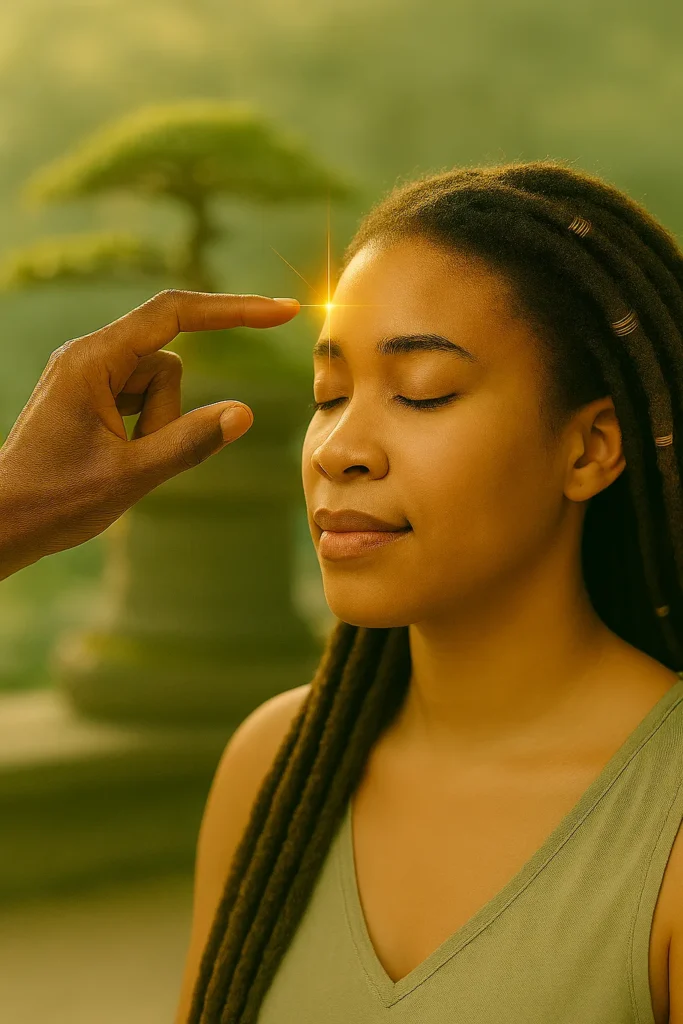
Within this chamber you will be guided into a relaxed, receptive state where the subconscious mind becomes open to insight, healing, and transformation.

What is hypnotherapy?
Hypnotherapy is a form of therapy that uses guided relaxation and focused attention—often called hypnosis—to help a person access a deeply relaxed, highly suggestible mental state. In this state, the mind is more open to exploring thoughts, feelings, and memories, and to making positive changes.
At its core, hypnotherapy is built on the idea that the mind has conscious and subconscious layers. While the conscious mind handles everyday thinking, the subconscious stores habits, beliefs, and emotional patterns. Hypnotherapy aims to work directly with that subconscious layer.
How it works?
A typical session involves:
- A trained therapist guiding you into a relaxed, trance-like state
- Focused attention (you’re not asleep, just deeply relaxed and absorbed)
- Use of suggestion, imagery, or dialogue to address specific issues
You remain aware and in control the whole time—contrary to popular myths, you can’t be made to do anything against your will.
What is it used for?
Hypnotherapy is often used to help with:
- Anxiety and stress
- Phobias (e.g., fear of flying)
- Smoking cessation
- Weight management
- Sleep problems
- Pain management (including chronic pain)
- Building confidence or changing habits
Is it effective?
Some people find it very helpful, especially for habits and anxiety-related issues. Scientific evidence supports its effectiveness for certain uses (like pain and some anxiety conditions), but results can vary depending on the person and the skill of the therapist.
What is it not?
- It’s not mind control
- It’s not the same as stage hypnosis for entertainment
- It doesn’t make you unconscious
Bottom line
Hypnotherapy is a complementary therapeutic approach that can support behavior change and emotional well-being by working with the subconscious mind—most effective when used alongside other evidence-based treatments.